By: Brendan Yeo, together with Loong Dien Min and Noor Netusha Nusaybah. Images courtesy of Imagined Malaysia
The historian Barbara Tuchman once said that there was no secret to making history come alive; it simply involves “tell(ing) stories.” While this has been my personal motto, working with Imagined Malaysia allows me to recount the past while also empowering the Malaysian public. Imagined Malaysia, a public history NGO established in 2016, aims to promote historical literacy by challenging elitist, ethnonationalist, and masculinist narratives that underpin the official history of the nation. Imagined Malaysia provides the public a space to reimagine their past through alternative materials, sources, and frameworks. The public is not as a passive receiver of historical narratives, but as an active participant in their creation. The professional historians alone cannot write the historiographies of Malaysia and Southeast Asia; the public is their contributor, if not their author.
To engage the public in historical discourse, Imagined Malaysia transforms primary sources into digestible, bite-sized information, replete with colourful graphics and illustrations. One of Imagined Malaysia’s first flagship initiatives, “A History of Student Activism” (HOSA), originated during a period of heated discussion over reforming the Universities and University Colleges Act 1971. Aimed to spark meaningful discussions in the Malaysian government’s deliberations of regulating students’ political consciousness, the subsequent research proceeded with two goals in mind: exploring the development of student activism in Malaysia since the pre-Independence; highlighting various narratives within student movements; and proposing a series of recommendations for various parties to further empower youth- and student-led initiatives in Malaysia.
Another project “#TanpaPerkauman: An Anti-racist History of Malaysia,” campaigned the history behind racism and discrimination, historicising racialised and discriminatory practices and introducing the functions of international frameworks. In partnership with the Institute for Democracy and Economic Affairs (IDEAS Malaysia) and co-funded by the European Union in Malaysia, this project began as a 30-week series of infographics posted on social media and developed into a handbook.
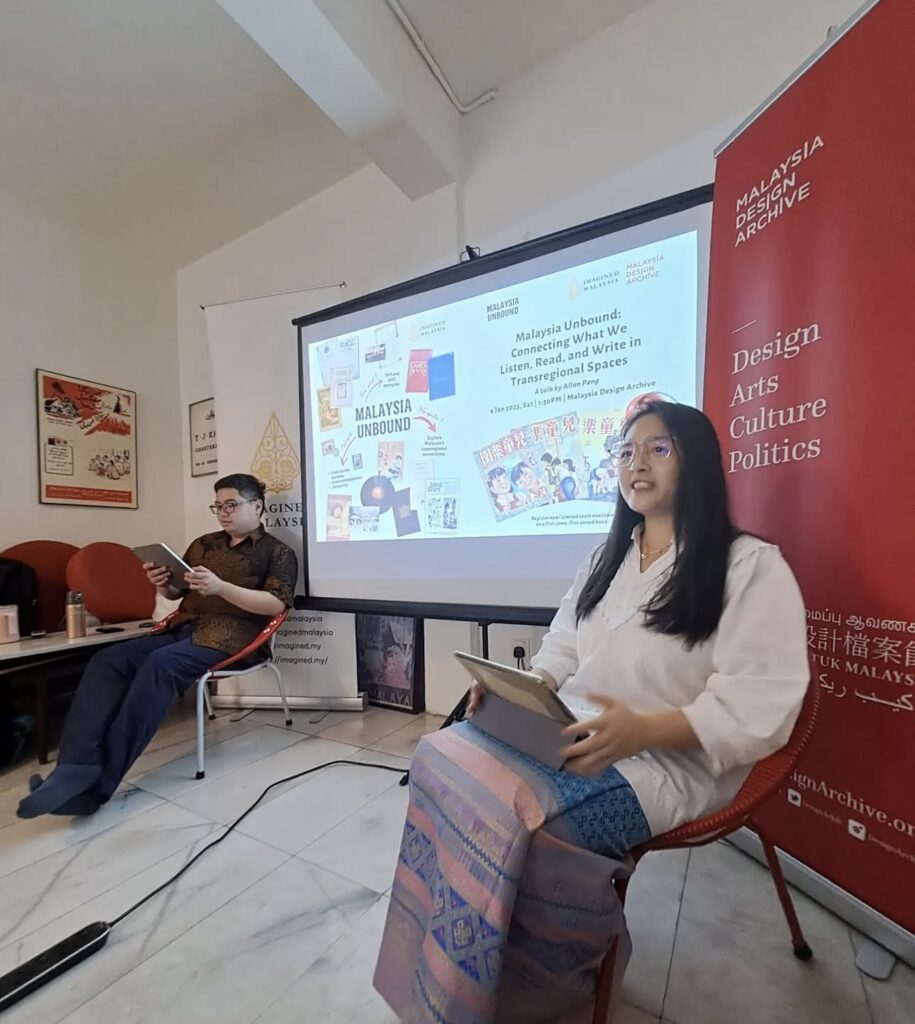
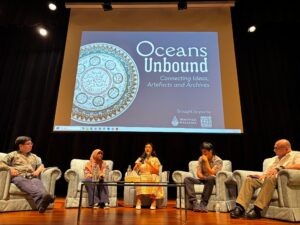
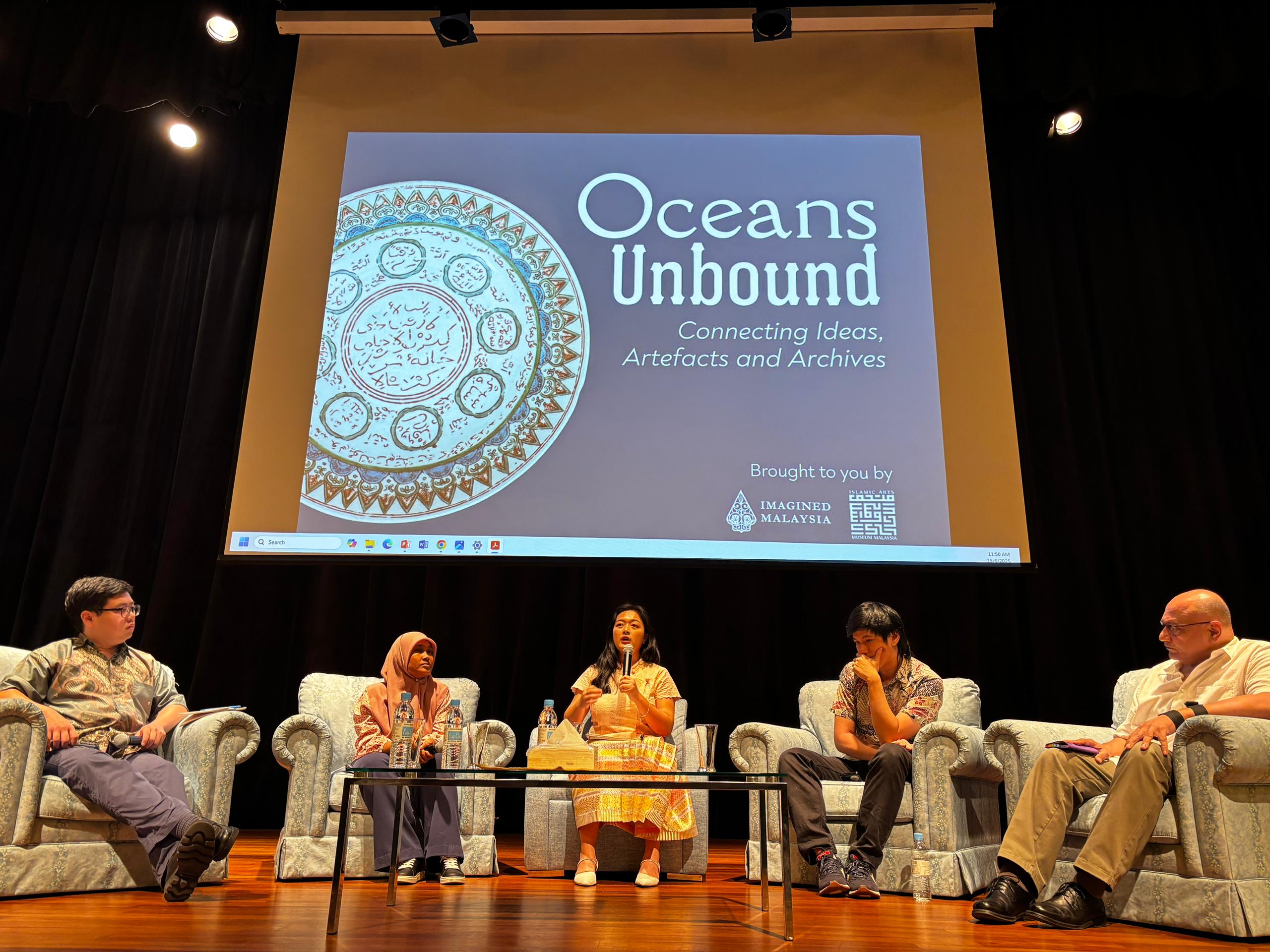
Imagined Malaysia’s current project, ‘Malaysia Unbound,’ aims to provide another historical framework through the lens of migration and border crossings, addressing the pressing need for an inclusive and transregional Malaysian history for both Malaysians and the wider region. The current ethnonationalist school curriculum seldom contains migration, cross-territorial interaction or transregional histories. Without romanticising mobility, the project invites the public to critically examine how people have historically navigated and transcended boundaries, offering an alternative to essentialist and nativist interpretations of the past. ‘Malaysia Unbound’ has introduced transregional public history to Malaysia through social media campaigns and a public talk —‘Oceans Unbound: Connecting Ideas, Artefacts, and Archives’—held at the Islamic Arts Museum of Malaysia in June 2005, and continues to make histories of cross-border and cross-cultural exchange accessible through interactive maps, social media, and participatory workshops.
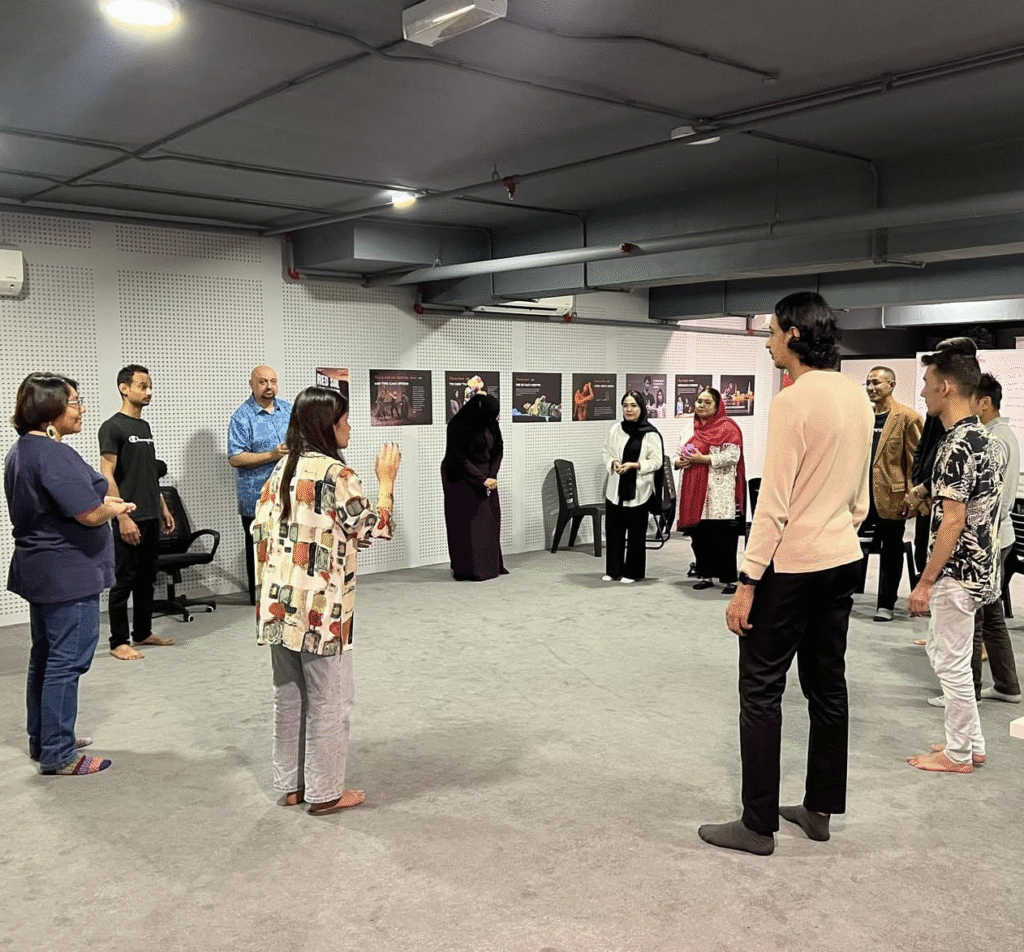
Taking this a step further, Imagined Malaysia, together with Parastoo Theatre and in partnership with Altawasul Foundation and the Yemeni Refugee Union Malaysia (YRUM), held a series of capacity-building workshops that examined how the underrepresented history of migration in public history can illuminates contemporary migration issues. Another programme, ‘Riwayat: Living Archives of Freedom,’ comprised a series of theatre of the Oppressed training sessions pioneered by 20th-century Brazilian theatre practitioner Augusto Boal. Adapted by Saleh Sepas, the Director of Parastoo Theatre, these techniques employe theatre as a tool for social and political change and were reworked to foster solidarity among refugees and asylum seekers. The programme resulted in a collaboratively written theatre play script titled “The Lost Hope in the Darkness”. These programmes created a rare, safe space for refugees to document their own oral histories and mobilise creative methods to bring their stories of war, conflict, displacement, and genocide to audiences seeking to engage with their lived experiences.
Of course, history-making and the engagement with primary sources, extend beyond research and writing to include the creative and performing arts. In 2022, amidst a growing interest in social inclusion and the rights of refugees and asylum seekers in Malaysia, Imagined Malaysia launched the ‘Owning History: Stories of Reckoning’ campaign, promoting positive perceptions of migrants and refugees through the anecdotes and narratives of young migrants living in Malaysia. Over several months, young migrants’ writings—from poems to short stories—were collected and shared across the various social media platforms, serving as living memories of the trials and challenges faced by migrant groups today.
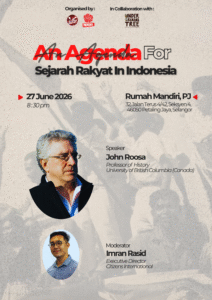
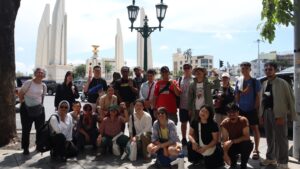
Beyond the initiatives highlighted above, workshops, dialogues, and talks remain among the most common means in engaging with wider audiences in historical discourse. They have long been central to Imagined Malaysia’s work as a fulcrum to democratise public engagement with history. More importantly, they provide the public with the tools and frameworks to interrogate the past—challenging conventional mainstream narratives, shifting public understanding about what constitutes “fact,” and probing what dominant discourses are at play and why. For example, the ‘Akar Umbi Kita’ workshop series aimed at empowering young Malaysians in becoming advocates against racial discrimination and racism by expanding their awareness of racial issues from historical, social and legal perspectives. Similar efforts include lecture sessions on ‘Understanding Malaysian Political History,’ ‘The Authors of Malaysian History,’ and, most recently, ‘Towards a People’s History of Malaysia,’ where Professor Emeritus Barbara Watson Andaya emphasised that “history is never boring”: the historical sources are full of anecdotes about ordinary people and the “relatability” of life. She further stressed the importance of moving away from the history of states and the elites toward the study of the people, whose voices have long been eclipsed and their importance disregarded in favour of statist power. These are just a handful of numerous talks and public engagement sessions that Imagined Malaysia has held in the past and hopes to continue in the future.
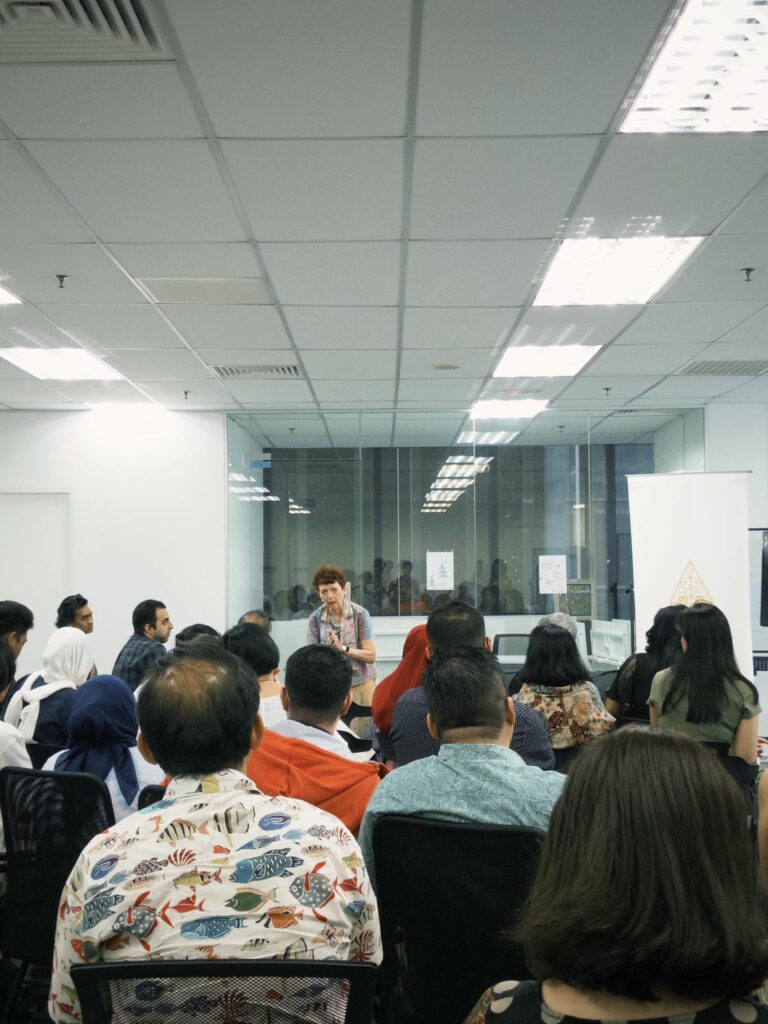
Another core initiative of Imagined Malaysia is reading groups. Providing a public discourse platform to empower activist-historians, we also aim to deconstruct intellectual jargon and the transmission of academic discourses to public knowledge. In this spirit, the ‘Sembang Salon’ began in late 2025. The idea of this space came from the European Enlightenment salons and the Malay concept sembang—to relax and converse—echoing a tradition of discussing the philosophies, ideologies, and ideas. Engaging with academic articles, primary sources, and visual materials, the ‘Sembang Salon’ offers a welcoming space to explore how history is written and why it matters, while also prompting important conversations on social reform. It encourages a rethinking of “history” as politically charged narratives, giving Malaysians a chance to interpret the past themselves. By accessing history from the margins, people can shape their own story and how it will be told in the future.
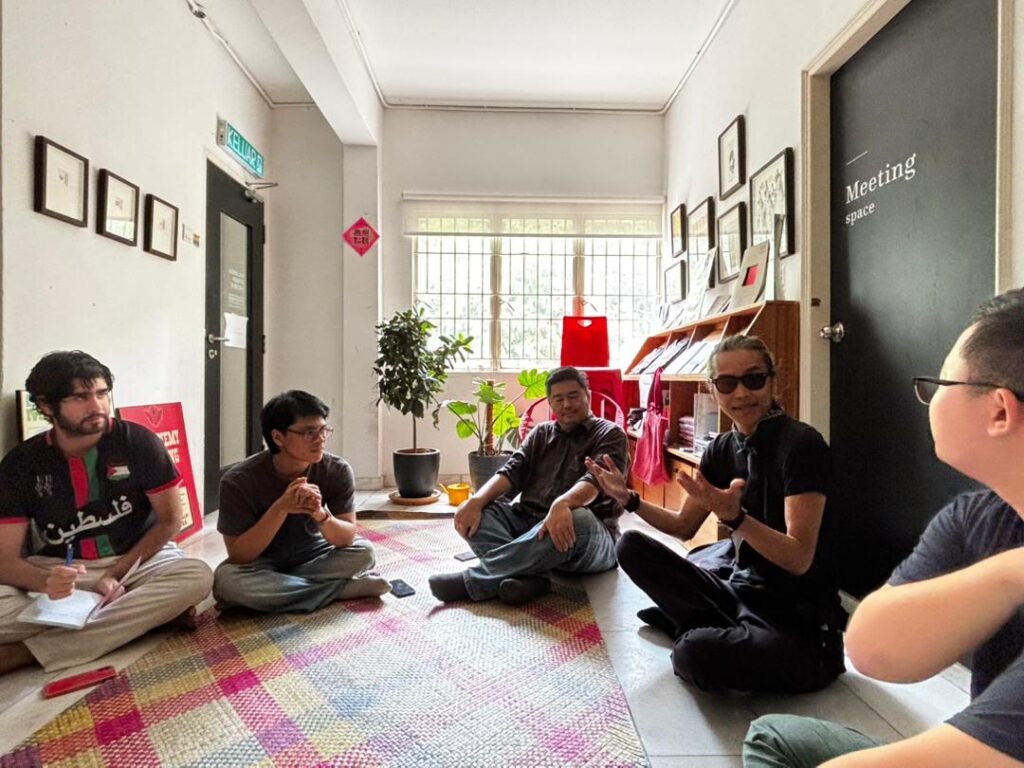
While keeping historical records and artefacts safe remains crucial in critical reflections of history, the story is what transforms “facts” into history. Imagined Malaysia’s unique role comes from thinking with the public, not about or for them. We encourage people to approach history beyond recounting events; it is a deliberate collection of political choices that shape how we understand the past and where we belong. In a region marked by prevailing authoritarian regimes—where ethnonationalist, racialised state discourses figure as the dominant interpretation and exclusion trumps inclusion—Imagined Malaysia envisions itself as a catalyst for rethinking history as a public practice. Much work remains to be done.
Bibliography
McCullough, David, Dorie McCullough Lawson, Michael Hill, and Jon Meacham. History Matters. New York: Simon & Schuster, 2025.
Authors’ Biographies
Brendan Yeo is Project Coordinator for Imagined Malaysia. After graduating with a background in International Relations from the University of Nottingham Malaysia, he went on to pursue a Masters of Arts (Southeast Asian History) at the University of Malaya. He is primarily interested in colonial and imperial history, as well as documenting the stories of indigenous and marginalised cultures and ethnic groups.
Loong Dien Min is the President of Imagined Malaysia. She is an incoming PhD student in History at Yale University. In 2023, she was funded by the Gates Cambridge Scholarship and graduated with MPhil in World History at the University of Cambridge. She is interested in sociolegal histories of transregional Asia, sexuality, childhood, and family.
Noor Netusha Nusaybah is the co-founder of Imagined Malaysia. Netusha graduated with an MPhil in World History at the University of Cambridge, funded by the Tunku Abdul Rahman Fund. Prior to this, she graduated from the University of Nottingham Malaysia Campus with BA (Hons) in International Relations. Netusha strives to advance the role of public history in social policy, peacebuilding and national integration.