By: Anna Mariana (Ruang Arsip & Sejarah Wanita / RUAS). Translated by Zikri Rahman and edited by Hyojin Pak.
History is often written from a dominant, patriarchal and masculine perspective. Ruang Arsip & Sejarah Perempuan (RUAS) exists as an Indonesia-based alternative space that brings archives to life as part of the women’s movement. More than a repository for documents, RUAS is a knowledge laboratory, a space for reflection, and a site of struggle. Here, archives serve as a tool for rereading the past, understanding the present, and designing a more just and egalitarian future.
Archives as Movement: Refusing to Forget, Reconstructing Narratives
RUAS perceives archives as part of a social movement. They are not inanimate objects, but rather living traces that preserve the experiences, strategies, and voices of marginalized women. In this context, archiving practice extends documentation techniques to become a political and ethical act. Archiving entails refusing to forget, rejecting to erase, and resisting the dominance of a singular narrative. We find this monolithic state narrative in masculine and patriarchal history textbooks, various dioramas in state museums, and even the state’s obsession with rewriting national history. This rewriting of national history deliberately omits state’s human rights violations, such as the mass killings of 1965-1966, the mysterious shootings, and the mass rape of ethnic Chinese in May 1998. Against such erasure , RUAS seeks to collect archives, compile and voice alternative narratives to the state’s version that seeks to silence the nation’s traumatic history.
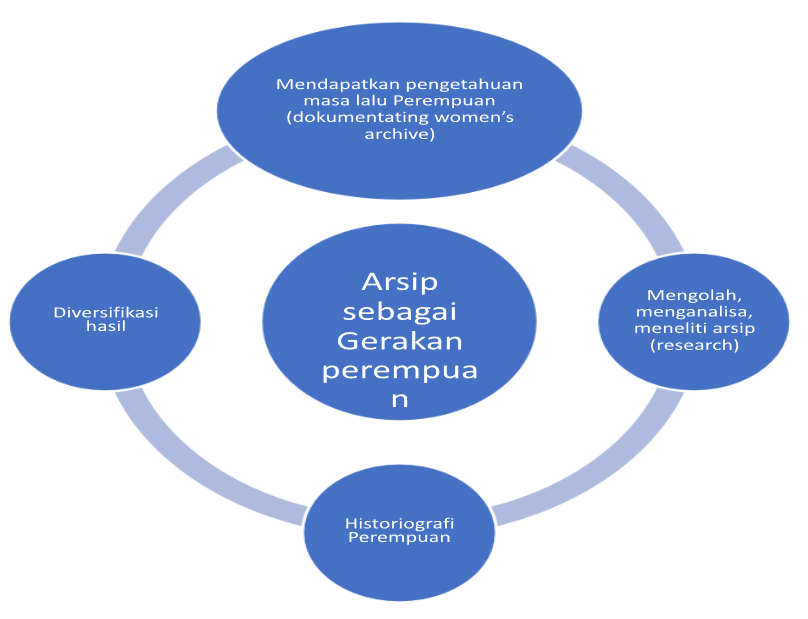
Figure 1. RUAS’s Archival Management Cycle
RUAS understands that such work requires extensive effort, necessitating reliable methodological tools to support the process. RUAS’s archive management cycle reflects this flow. Our work consists of collection, processing, analysis, and dissemination, conducting each stage with a participatory and reflective approach. We collect archives from formal institutions as well as women’s everyday experiences: family photographs, personal letters, audio recordings, community magazines, and digital newspapers – all of which serve as legitimate and important historical sources.
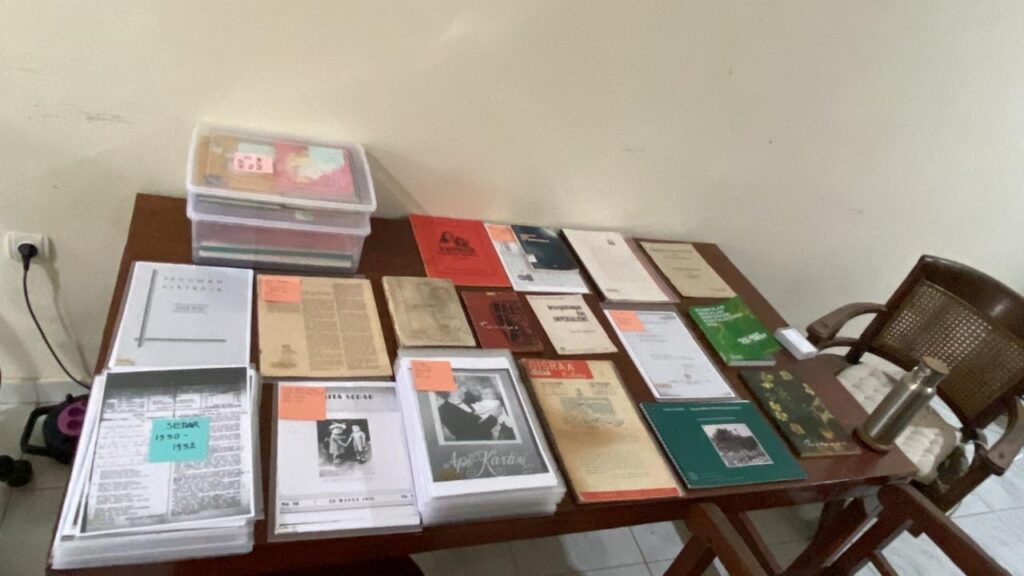
Figure 2. Part of the RUAS’s archival collection
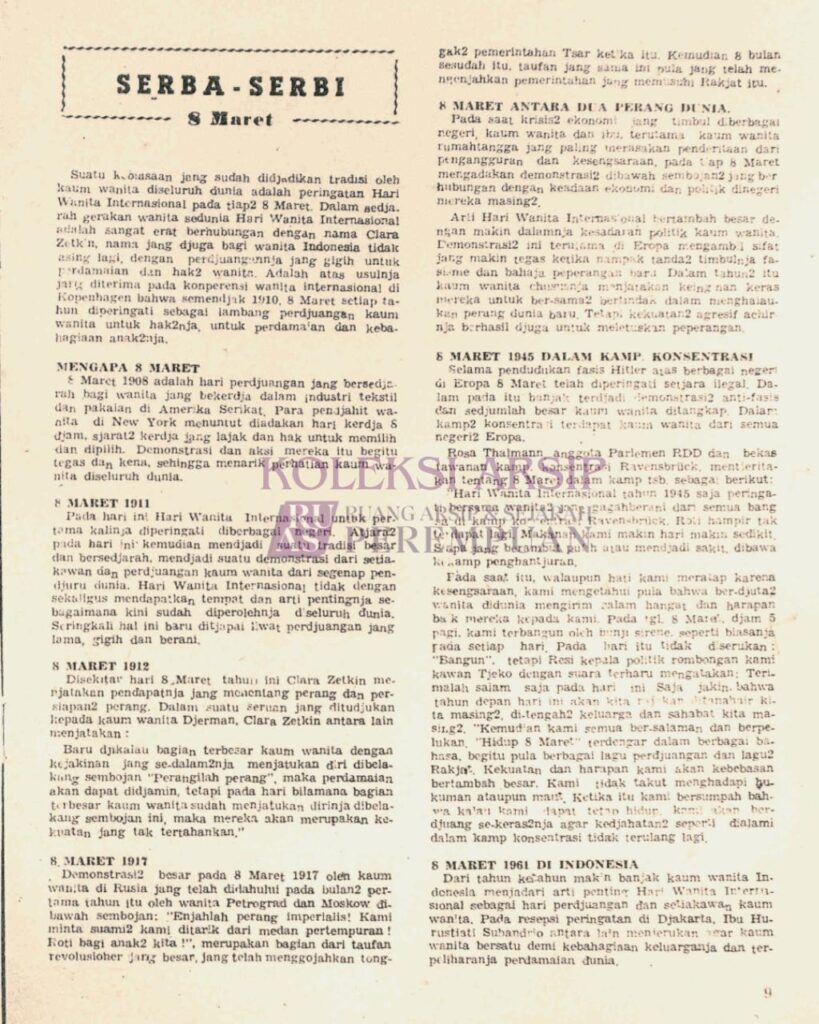
Figure 3. Example of a digitised magazine from the archive
In practice, RUAS explores various types of archives that document the journey of women from diverse backgrounds. Some of the archives we focus on include:
- Photo archives, which capture significant moments in women’s lives, both in the domestic and public spheres.
- Audio archives, in the form of oral histories, interviews, and testimonies that capture women’s experiences directly and intimately.
- Personal and organizational documents, such as letters, diaries, internal community archives, and activity reports.
- Women’s organization magazines, which reflect the development of women’s thought and movements over time.
- Digital newspapers, as contextual sources that demonstrate how women are reported on or marginalised in mainstream media.
Aside from collecting archives, RUAS also critiques how they are produced and used. Who has the right to archive? Who determines the value of archives? These questions inform an ongoing reflection about RUAS’s methodological praxis.
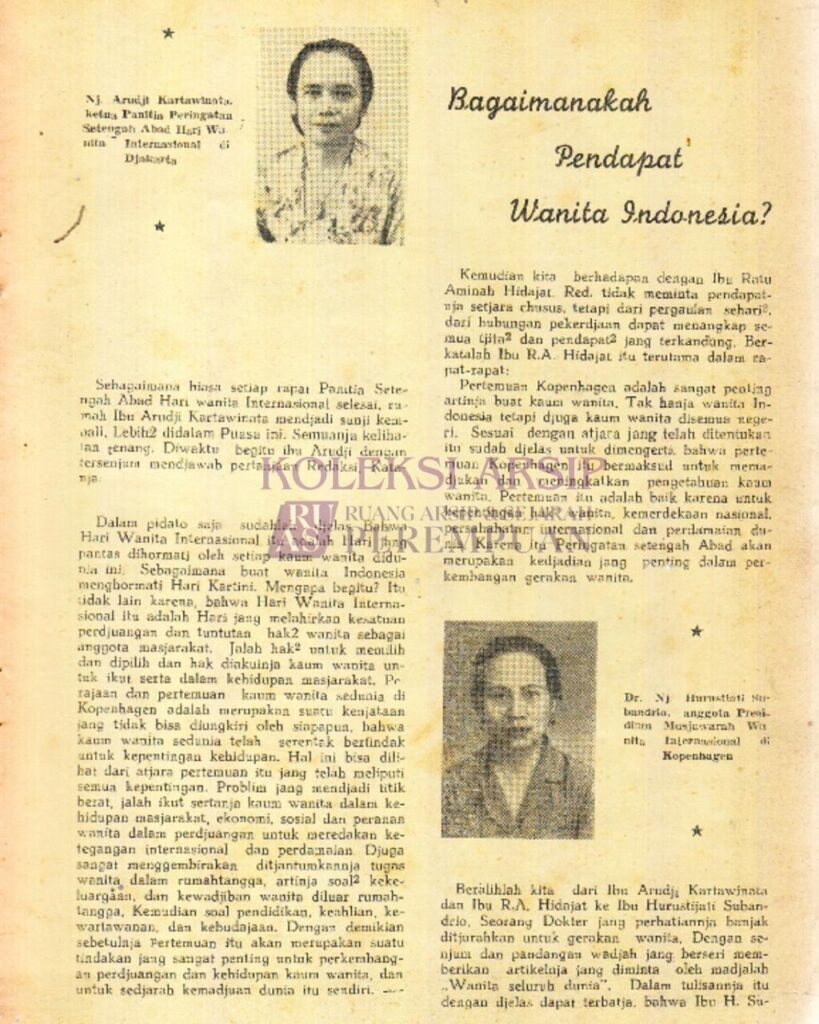
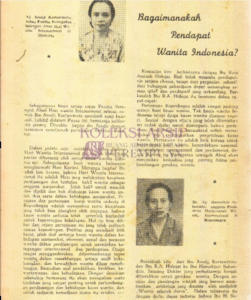
Figure 4. Examples of Api Kartini magazine archives that were omitted from the historical narrative.
Research and Knowledge Production: From Archives to Action
RUAS developed a women’s library as part of its efforts to build alternative epistemologies. This library contains not only books but also ideas, experiences, and reflections born from women’s bodies and lives. Some of the main themes in the RUAS library include:
- Philosophy from a women’s perspective, which challenges the dominance of masculine thought and opens up space for thought rooted in women’s experiences.
- Women’s history, which highlights the roles and contributions of women in various socio-political contexts, from local to global.
- Feminist methodologies and theories, including decolonial approaches that unpack the legacies of colonialism in knowledge production.
- Sociology and gender studies, which examine the social structures and power relations that shape women’s experiences.
- The study of violence and sexuality, as an effort to understand and combat gender-based violence.
- The study of Islam and gender, which opens up space for progressive interpretations of Islamic texts and traditions, using a contextual and empathetic approach.
This library provides a source of learning and reflection for anyone seeking to understand the world through a woman’s lens. It also serves as a tool for dismantling myths, challenging dominant norms, and constructing new narratives.
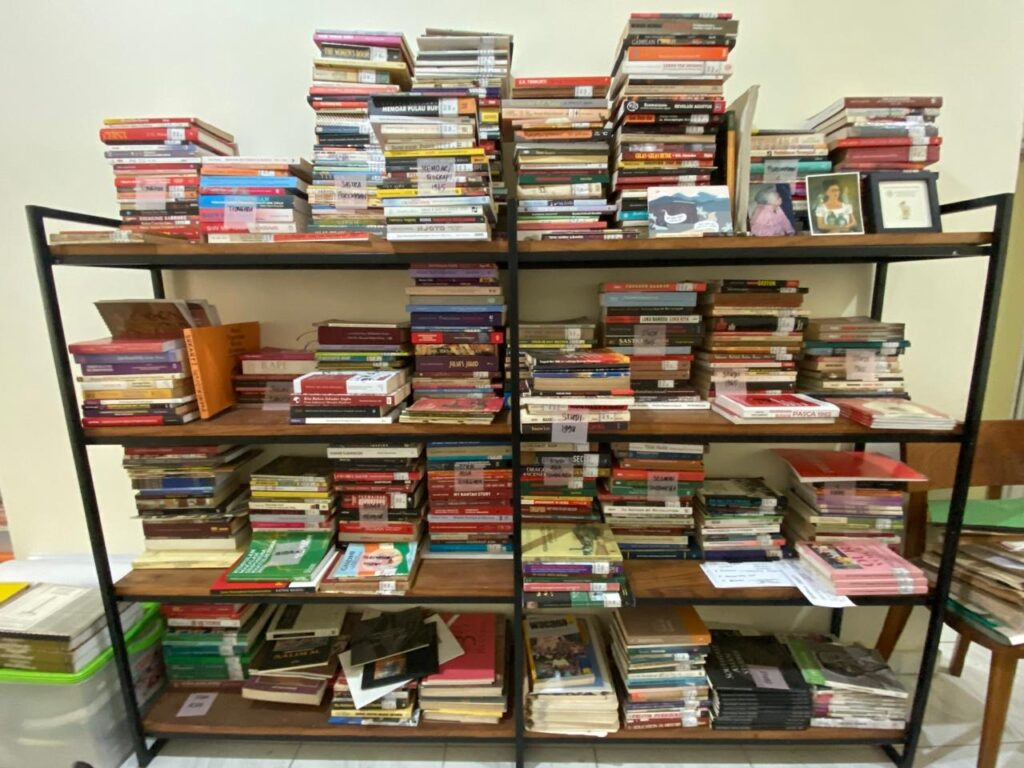
Image 5. RUAS’s Library
The RUAS Library encourages knowledge production based on women’s archives and experiences. Through research programs and fellowships, RUAS provides space for researchers, activists, and artists to develop critical and transformative work. Some of the research outputs that have been developed include:
- An annotated bibliography of women artists, which maps artworks from a female perspective and connects them to socio-political contexts.
- A study of transnational women’s movements, which explores solidarity across countries and cultures in women’s struggles.
- An Ianfu (Comfort Women) historiography, currently being developed as a chapter in the publication “Memories of Violence,” highlights the narratives of women who were victims of sexual violence during the war, but who were not recognized by the state as it is being considered as a national disgrace.
- A chronology of women’s history, a long-term project that organizes significant events in women’s history thematically and chronologically.
Each of these studies not only enriches the academic literature but also strengthens women’s position as subjects of knowledge. RUAS believes that women are more than just objects of study but also producers of ideas, thoughts and feelings.
Dissemination and Presence: Spreading Voices, Connecting Movements
RUAS also emphasizes the importance of diversifying its output. We use archives to create academic writings as well as visual, audio, and narrative materials accessible to a wide range of audiences. In this way, RUAS expands the reach and impact of its archival work. Recognizing the importance of a digital presence in today’s world, RUAS disseminates our work through various platforms. The official RUAS website serves as a hub for information, publication, and archive access. Then there are social media platforms like Instagram and Facebook, where we share quotes, archive visuals, and daily reflections. With this strategy, RUAS reaches various levels of society—from academics to activists, from students to housewives—and invites them to participate in the women’s archival movement.
Archives should not be owned, but rather connected—to communities, to history, and to the future. RUAS functions as both an archival institution and a collective learning space. Here, women from diverse backgrounds gather to share experiences, reread history, and design a shared future. Through discussions, workshops, and mentoring programs, RUAS builds a participatory and transformative knowledge ecosystem. RUAS is also actively building networks with other communities, organizations, and institutions—at the local, national, and international levels. This collaboration strengthens RUAS’s position as part of the broader women’s movement, while augumenting archival perspectives and practices. One of the key principles in RUAS’s work is archival ethics. RUAS rejects exploiting archives as a means of manipulating historical narratives. Instead, RUAS develops an approach that cares for, respects, and listens in expanding its practices. RUAS also emphasizes the importance of fair and inclusive representation. In every archival process, RUAS considers aspects of gender, class, ethnicity, and spirituality. In this way, RUAS builds archives that are not only informative but also transformative.
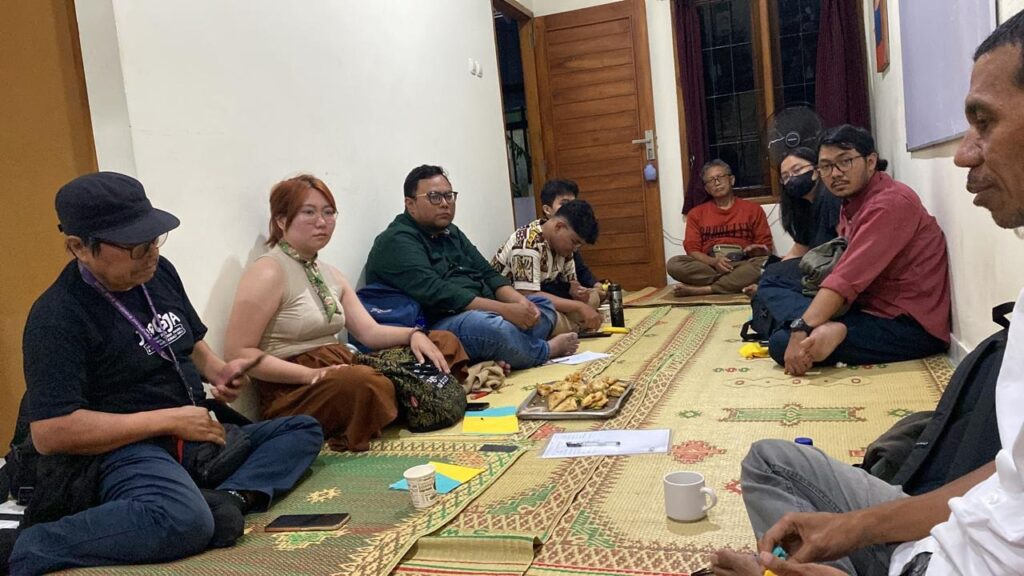
Figure 6. Discussion with the Timor Leste’s Historical Writing Team
Conclusion: Archiving to Live
RUAS offers a space that brings archives to life as a women’s movement. Through archiving, research, and dissemination, RUAS preserves the past and enlivens it for the future. Archives in RUAS’s hands are not inanimate objects but living resources that inspire, mobilize, and liberate.
RUAS invites all of us—women, men, and people of all genders, young and old, academics and activists—to reread history, listen to voices long silenced, and rewrite a future that is more just and equitable. Because archiving is not just about storing, but also about caring for, giving voice to, and bringing to life.
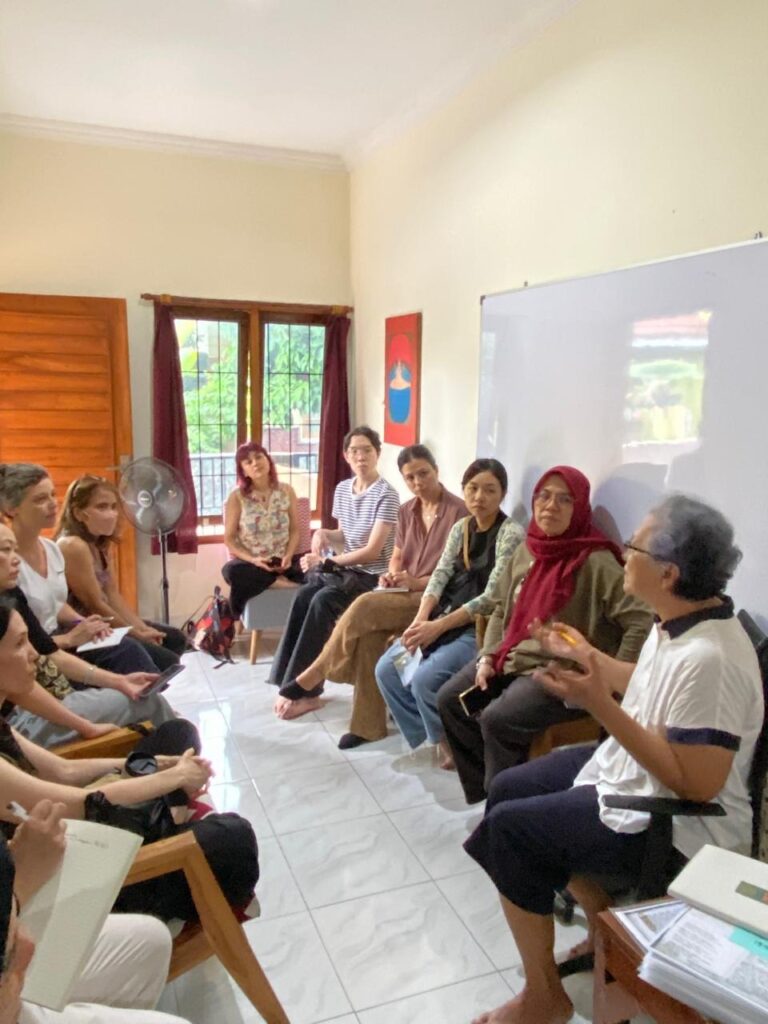
Figure 7. Guests from the Asia Art Archive at the RUAS office